AI

AI services

AI Agents DevelopmentProduction AI agents — discovery to deployment.Custom AI DevelopmentProduction-grade AI software for real products.AI ConsultingFrom AI strategy to systems you run in production.AI Decision DayOne day with your leadership: every AI idea ranked, a 90-day plan.
Services

Development

Custom Software DevelopmentWeb platforms, TMS and SaaS on Node.js, React, Vue and Laravel.Mobile DevelopmentCross-platform apps on Flutter and React Native, native where it counts.UI/UX DesignResearch, wireframes, prototypes and interfaces people get.CMS DevelopmentWordPress and OpenCart sites and stores, launched in weeks.Dedicated TeamA vetted engineering team that scales with your product.

Expertise

CRM, HRM & ERP DevelopmentBusiness systems built or integrated, with AI agents inside.Legacy ModernisationOld systems moved to a modern stack step by step.IT InfrastructureCloud, servers, DevOps, monitoring and security.Managed IT ServicesOngoing IT support and on-demand coverage for your systems.

Startup launch

Startup DevelopmentFrom idea to a product that scales, with AI inside.Discovery PhaseRequirements, prototype and estimate before development starts.PoC & MVP DevelopmentProve the idea and test the market before the full build.

Industries

Logistics SystemsTMS, dispatch, fleet and warehouse software with AI agents.FinTechPayments, banking, trading and insurance software with AI.Education & EdTecheLearning platforms and education apps with AI tutors.Medical MarketingPatient acquisition for clinics: ads, sites and AI booking.SMM for Medical PracticesSocial media, content and ads that earn patient trust.
CasesBlogAI LabCompany
EN/UAContact us

We unlock business potential with custom software & AI

pmo@qberry.so

Offices

  • Kyiv, UA

    12 Khreshchatyk St.

  • Pervomaisk, UA

    Mykolaiv Region

  • Remote

    Working worldwide

Cases

  • Logistics & TMS
  • FoodTech
  • SaaS
  • Medical practices
  • Education
  • Other

Services

  • AI Agents Development
  • Custom AI Development
  • AI Consulting
  • AI Decision Day
  • Custom Software Development
  • Mobile Development
  • UI/UX Design
  • CMS Development
  • Dedicated Team

© Qberry 2026. All rights reserved

CareersCompanyBlogContact usTerms of UsePrivacy PolicyCookie PolicyEN/UA

Made in Ukraine with Love 💙💛

UkraineSaaSLaravelReact

QChecker

Competitor price monitoring: every night the system reads 11 competitors' sites and tells the buyer where we lose sales

Book a call now

QChecker is a Qberry product built for Dental Group, a distributor of dental supplies, around a real pain: the team kept its prices current by walking competitors' sites by hand and copying what they saw into a spreadsheet. By the time the table was done, the data was stale, and the objection "it's cheaper elsewhere" came up to once a day.

Now the system does the rounds itself. Every night it reads 11 competitors' sites, finds the client's positions there, compares the prices with the client's own storefront and shows the purchasing team one thing in the morning: where we are dearer than the market, where we have room to raise, and who presses on price the hardest.

How QChecker works

Forty seconds of what a Dental Group buyer sees: the nightly crawl of 11 competitors' sites, the price matrix, the morning market overview and the matching the system never guesses, but asks about.

The client and the problem

  • Pricing is reactive, not scheduled. The purchasing department changes prices "twice a day or once a month": whenever a competitor moves. So the product is about events, not calendars — the cabinet is where the queue is sorted, not a report to read.
  • Manual monitoring did not scale. Six competitors at the start, eleven now, thousands of cards each. A spreadsheet pass took a day and was outdated the moment it ended.
  • The real price lives on the site, not in 1C. We read the client's own storefront as one more source, so there is no accounting integration to build, the price is always the one a customer sees, and a mismatch between 1C and the site surfaces on its own.

What we built

  • A nightly crawl of 12 sources — 11 competitors and the client's own storefront — on a Playwright worker behind a proxy pool, with price history kept as append-only snapshots.
  • A buyer's cabinet with five screens: market overview, products, the product card, competitors and the price-change feed. Read-only by decision: the client still changes prices in their own system.
  • Product matching that pairs a competitor's card with ours by normalised title, vetoes a pair whose stated characteristics disagree, and sends anything under the confidence bar to a person.
  • Excel export, accounts per buyer and a 30-day bin, so every buyer sees only their own list and nothing is lost by accident.

Figures that say what to do

A monitoring screen dies when it needs a legend. So the cabinet follows a few rules we wrote down before the first screen was drawn.

  • No bare signs. Not "−4.1 %" but "cheaper than us by 4.1 %". The column is called "Us vs market", not "Difference".
  • Colour by meaning, not by sign. A competitor cheaper than us is red: they press on price. Our position dearer than the market is red: we lose sales. Our position cheaper than the market is yellow, not green: it is margin we leave on the table.
  • Every share has a denominator. "30.4 % of the catalogue — 14 of 46 positions", never a lone 412.
  • No catalogue averages. A competitor is described by the median gap, by how many positions they are cheaper on, and by the sum of the gap in hryvnias — the figure the overview sorts "who presses hardest" by.

Matching under human control

Nobody publishes GTINs and every shop has its own article codes, so the match runs on the title. We normalise it, compare it by trigrams and veto any pair whose diameter, length, volume or pack size disagree, however close the names look. Above 0.75 confidence the card is approved on its own; below it, the position goes to a queue and contributes nothing to the market until a person confirms it.

The buyer sees the same thing in the matrix as a yellow dot: the window behind it lists the cards we count now and the similar ones we found, each a link to the competitor's site, with one answer to give — "this is our product" or "not it".

Adding a position in one line

  • Paste a link to the product on the client's own site: the system reads the title, brand, article and price from the card and starts looking for it at the competitors.
  • Or type the name as you remember it. "straumann blx 4.0" shares no trigram with anything a competitor publishes, so Claude proposes the canonical spellings the position is actually sold under, and the buyer picks one. With no key, a timeout or an unusable answer, the screen still works: adding a product never depends on a model being reachable.
  • Search forgives typos and the wrong keyboard layout, and the match is a fact, not a forecast: the status "Done · 4 of 11" appears after the crawl, never before it.

The product card

Our price as a black line against every competitor over 7, 30 or 90 days; beside it the competitors' prices with availability and the gap to ours. Below them, the competitors with no price and why: a similar card to review, or no card found — and a field to paste the link, so the price arrives with the next crawl.

Competitors and the change feed

  • A card per competitor: shared positions, the gap in money, the median difference, how many positions they are cheaper on, and how much of their catalogue is already collected.
  • Categories a competitor trades in decide whose prices enter the market: a price from an unbound category is shown, dimmed, and does not move the average until someone binds it.
  • The change feed groups events by day — time, position, competitor, was → is — and under each one says what it means for us: "we are dearer", "in the market" or "room to raise".

Under the hood

  • Laravel 13 / PHP 8.3 — the domain model, the ingest API, Horizon queues and the nightly scheduler; PostgreSQL with a tenant id on every row from day one.
  • Node 20 + Playwright — a separate crawl worker. The browser is for discovery: it logs the XHRs, finds the JSON with prices and downgrades the source to a cheap HTTP recheck, so nine tenths of the volume runs without a browser.
  • A proxy pool with two limits — per domain and exit address, and a ceiling per domain across all proxies — so eleven small shops are never hit harder than a visitor would.
  • React + TypeScript cabinet on Vite; Claude API for title suggestions; Docker on one server, deployed by CI on every push to main.

What comes next

  • The recommended price in every row — "now 118 ₴ → 99 ₴, we become 2nd of 7" — once cost and minimum margin arrive from 1C.
  • Telegram first: an alert to the buyer with three buttons in the message, a bot for sales managers that answers an article with our price and the competitors', a weekly digest for the director.
  • Reports, Excel import and the Chrome extension that lets a client add a competitor without us.
Country
Ukraine
Industry
SaaS
Status
In production since 2026

In this case

  1. 1.How QChecker works
  2. 2.The client and the problem
  3. 3.What we built
  4. 4.Figures that say what to do
  5. 5.Matching under human control
  6. 6.Adding a position in one line
  7. 7.The product card
  8. 8.Competitors and the change feed
  9. 9.Under the hood
  10. 10.What comes next

With our technical process

Our clients' ideas rock

E-COMMERCE LEADS preview

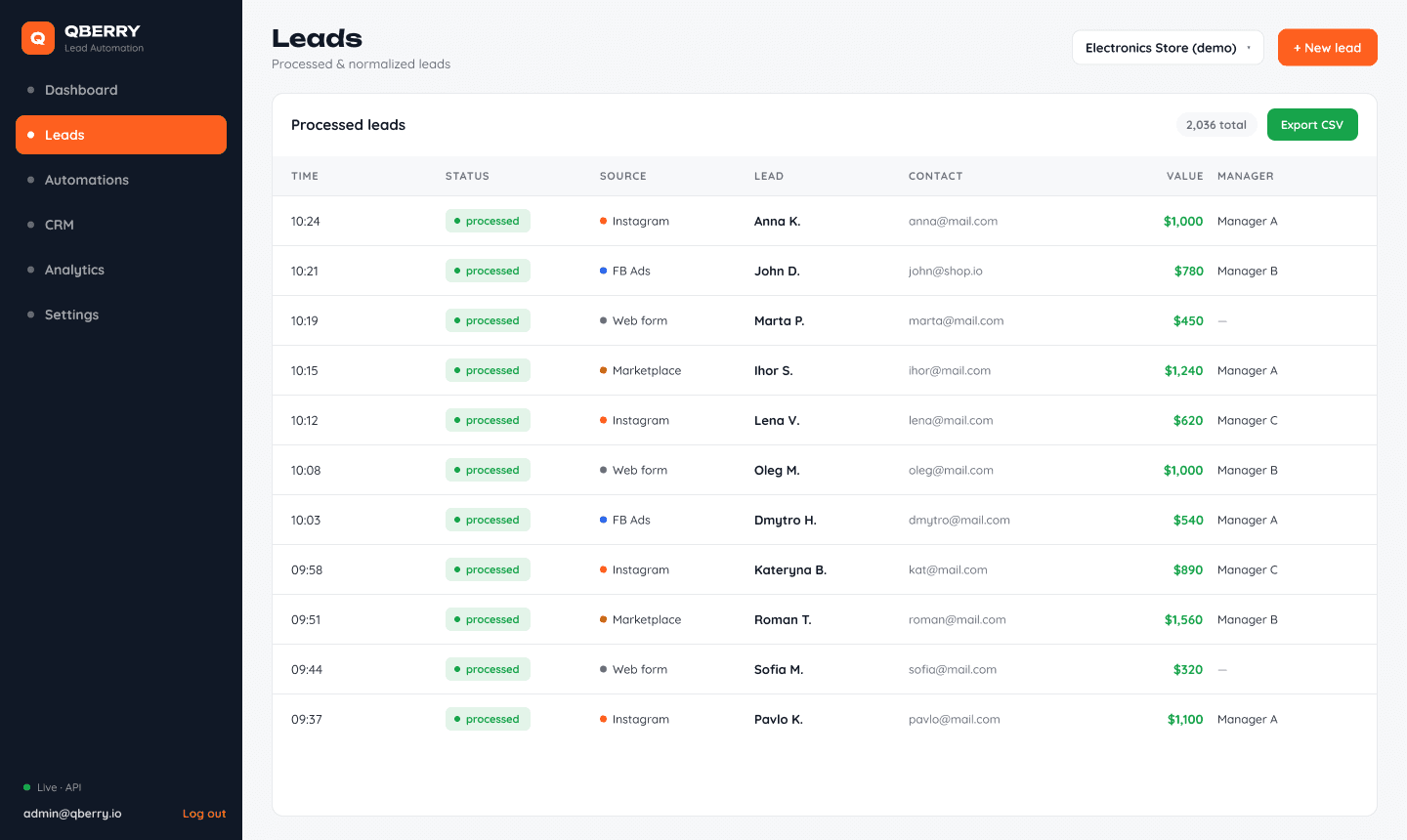
E-COMMERCE LEADS

Automationn8nCRM IntegrationE-commerce

A unified system for processing leads from all channels — validation, CRM deal creation, distribution among managers, and instant client response.

View details
CONSULTING LEADS preview

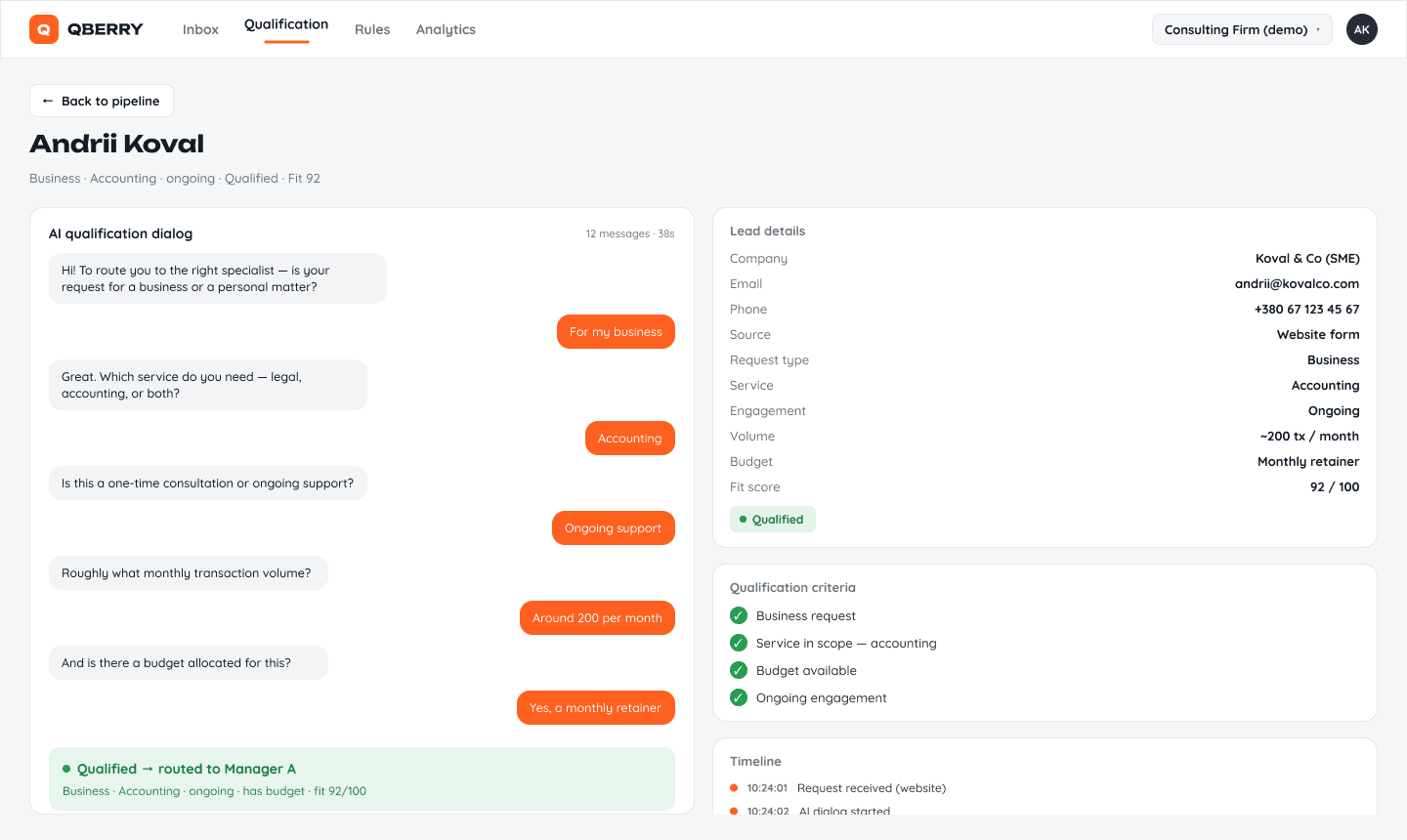
CONSULTING LEADS

AutomationAIn8nLead Qualification

Automated initial client interaction powered by n8n and AI — filtering non-target inquiries and passing only qualified leads to managers.

View details
AUTOFLOW preview

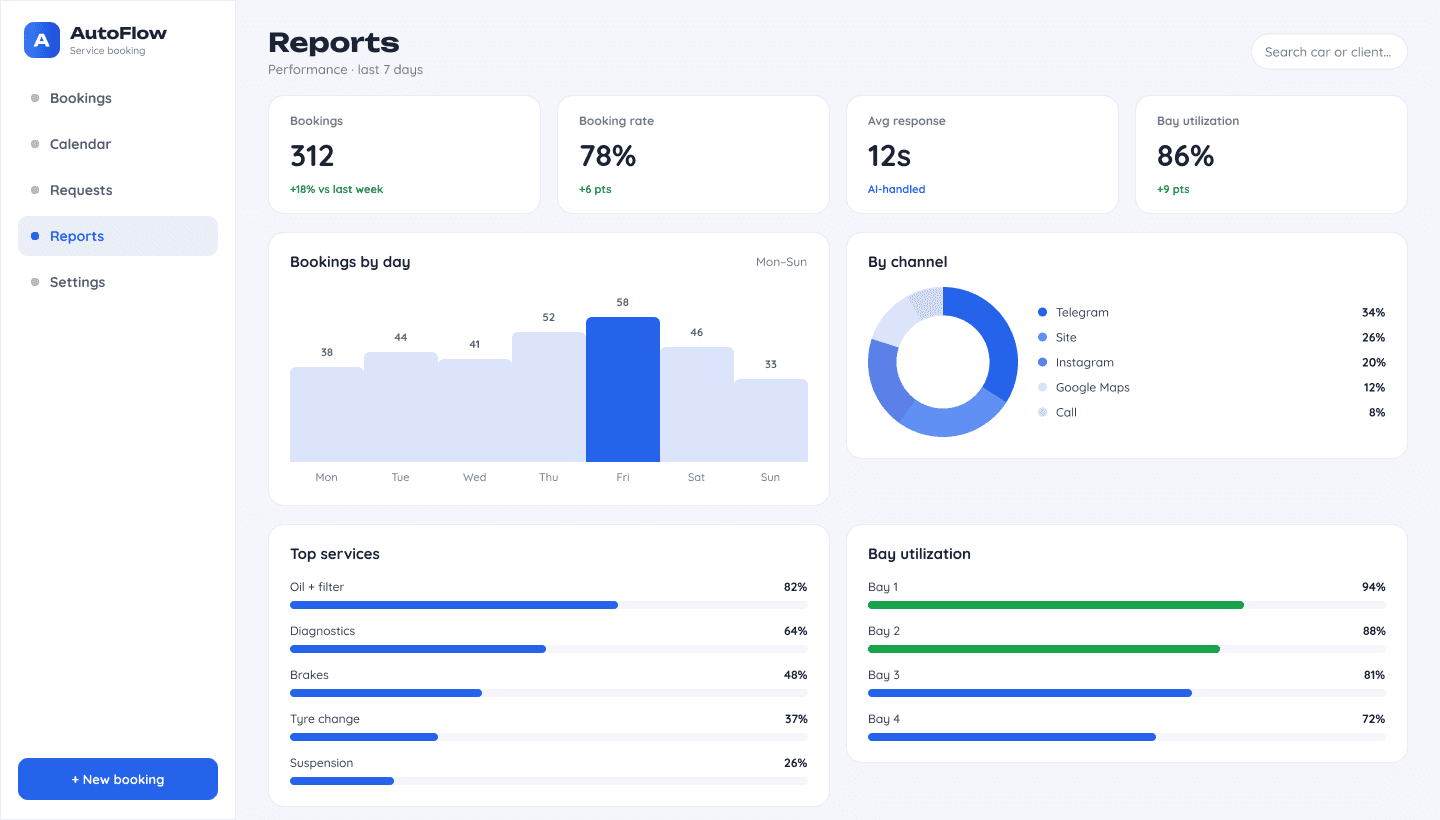
AUTOFLOW

AutomationAI AssistantBookingAuto Service

An AI assistant answers on every channel, collects the car, problem and urgency, checks the live schedule and turns each request into a ready-to-confirm booking.

View details
CAR IMPORT preview

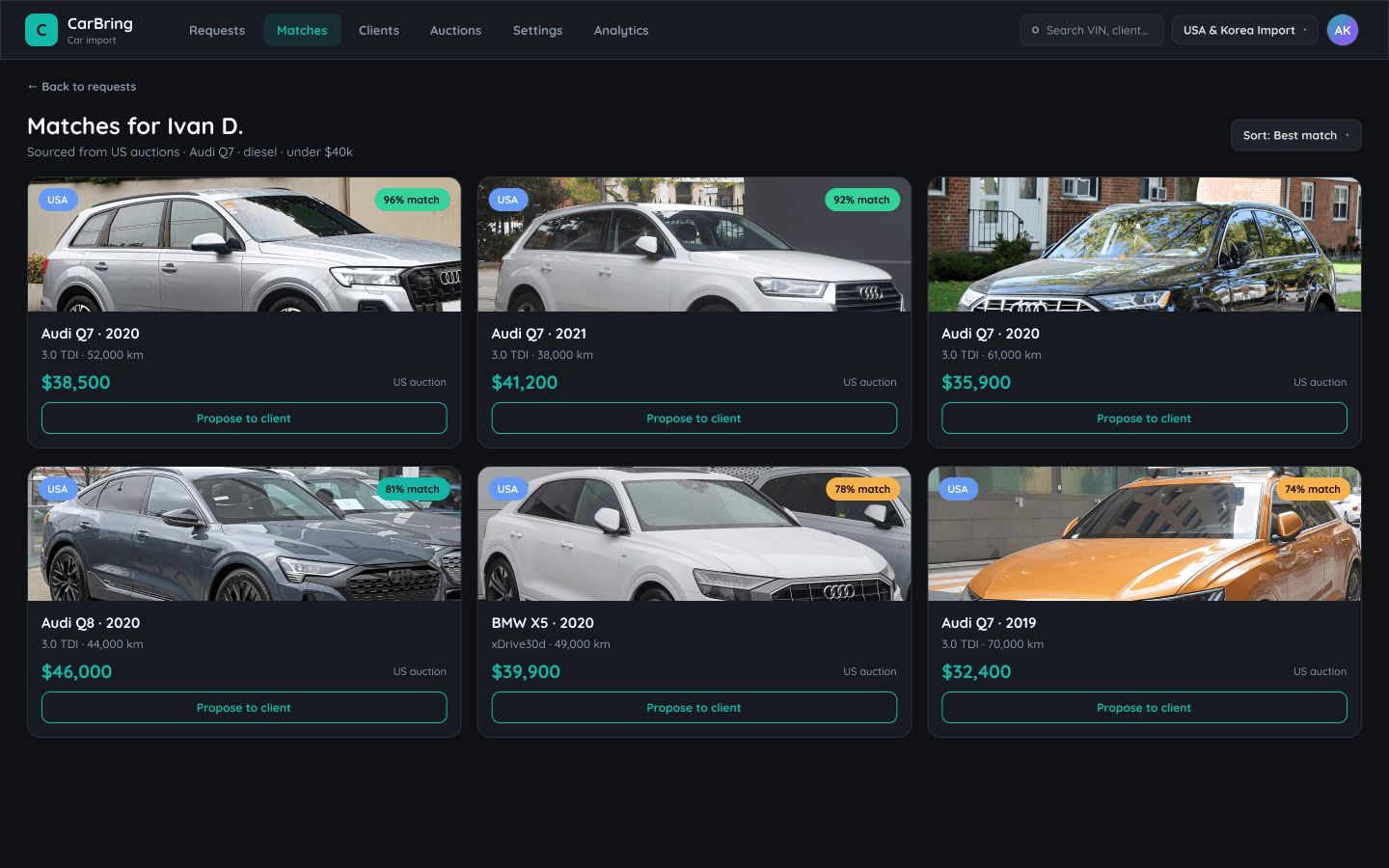
CAR IMPORT

AutomationAI AssistantAuction MatchingCar Import

An AI assistant answers car enquiries on every channel, collects budget, make, year, engine and market, matches live US & Korean auction cars and hands the manager a qualified buyer.

View details
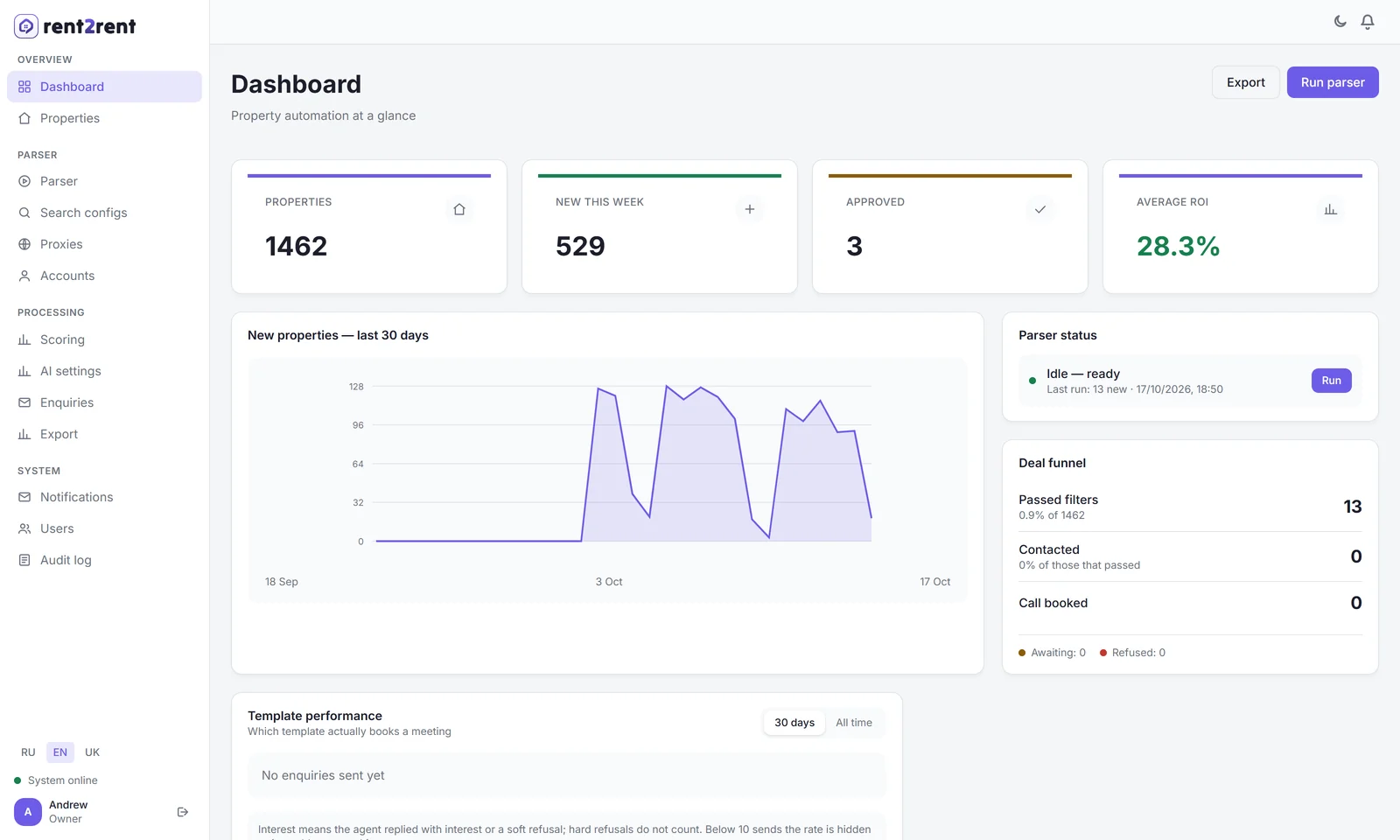
RENT2RENT preview

RENT2RENT

Real estatePythonNext.js

An internal platform for a UK client in the rent-to-rent business: it collects Rightmove listings, calculates the return and the ceiling rent for every house, drafts the enquiry to the agent and leads the deal to signing on a board. FastAPI, Next.js, Playwright and a model for market estimates. Every send is confirmed by a person.

View details
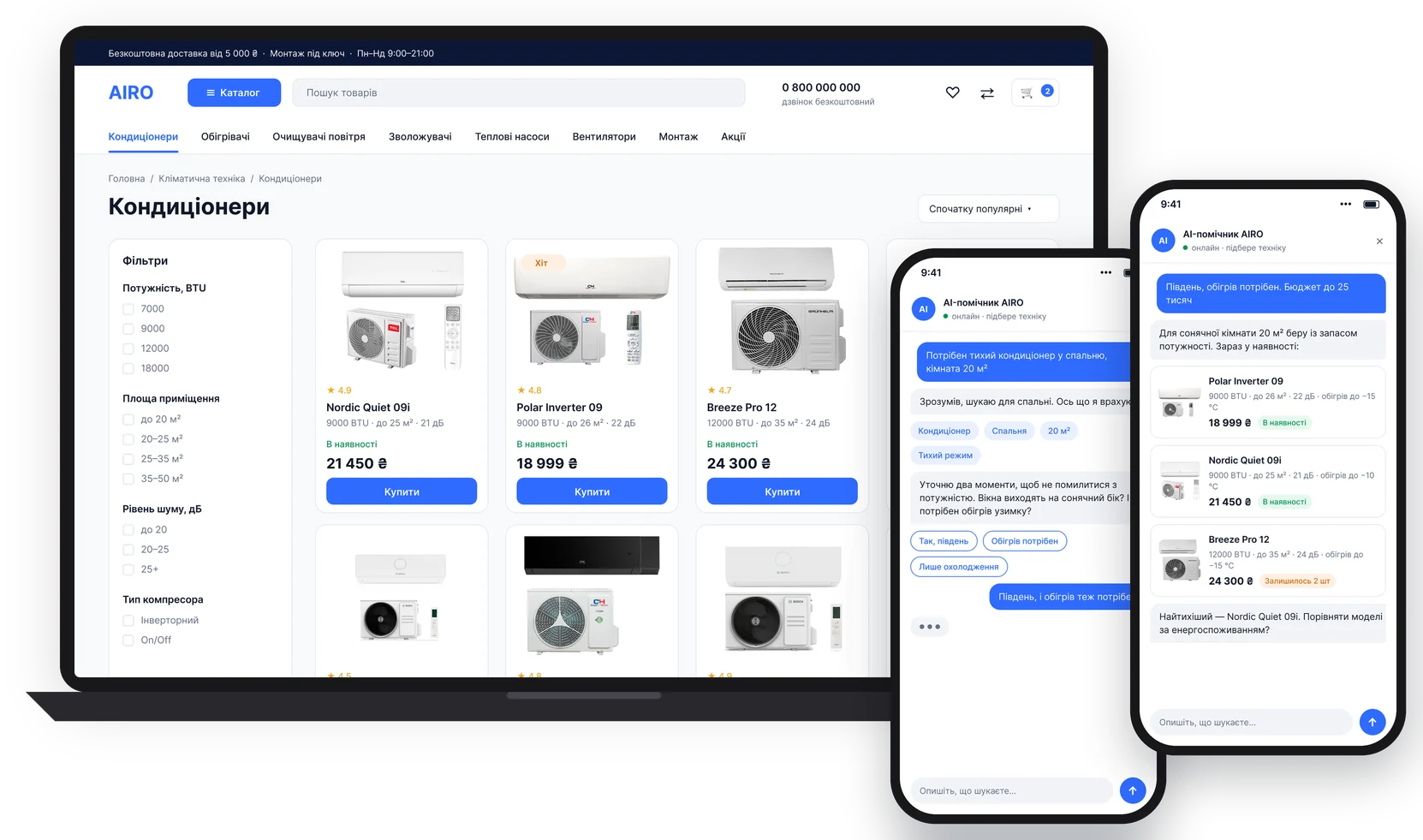
AI Shopping Assistant preview

AI Shopping Assistant

E-commerceOpenAIPython

AI assistant for an online store: shoppers describe what they need in their own words, the assistant asks follow-up questions and shows products with live prices and stock from the store's API. Built into the existing store in 2 months.

View details
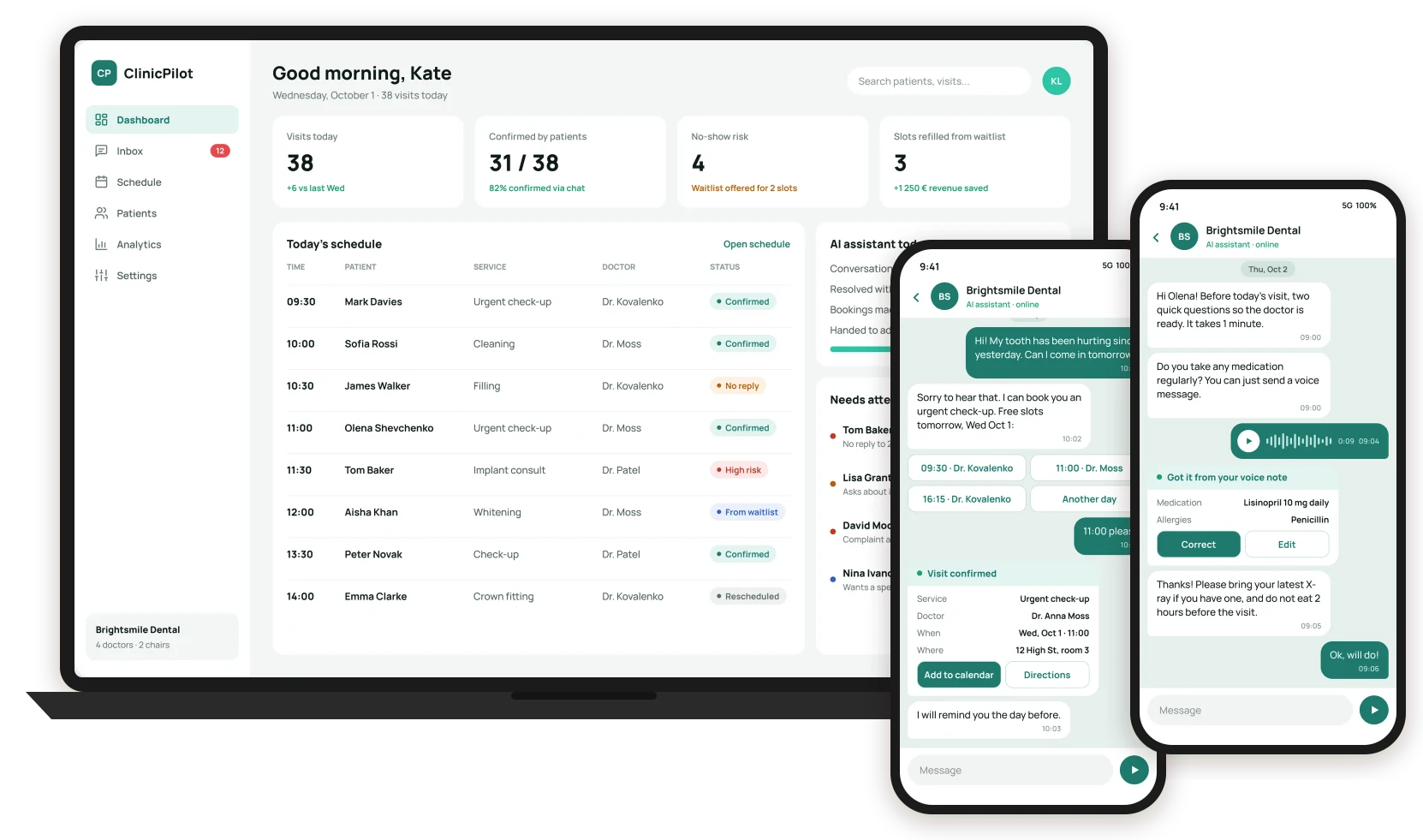
ClinicPilot preview

ClinicPilot

Medical practicesClaudeLaravel

AI administrator for private clinics: booking, reminders, pre-visit questions and follow-ups in Telegram, WhatsApp and on the website, with one admin panel for the team.

View details
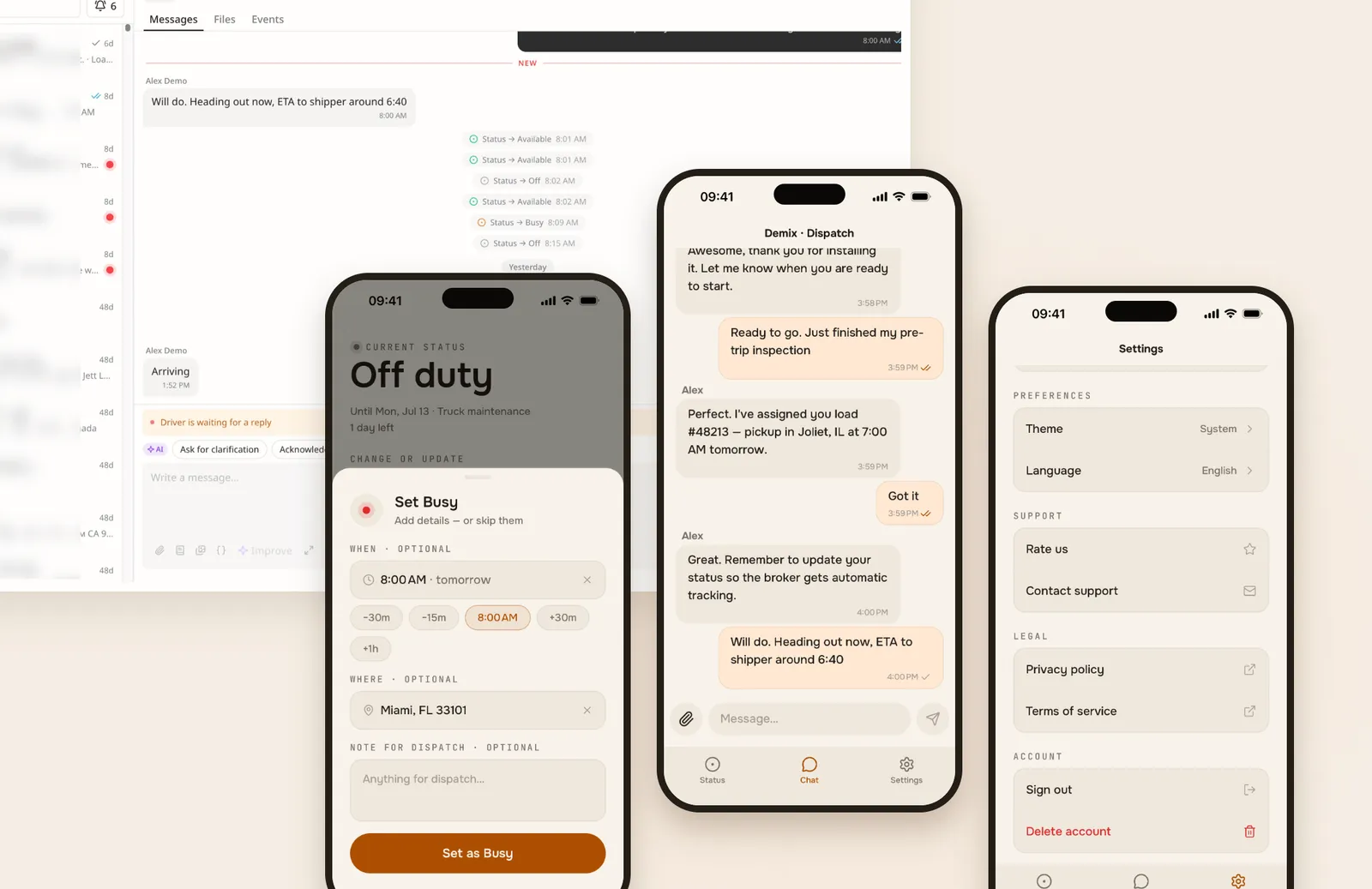
Homeland preview

Homeland

Logistics & TMSreactlaravel

A dispatcher hub and driver mobile app that turn check calls into live data: driver statuses, automatic location sharing, rich chat with document scanning, and two-way TMS sync — multi-carrier by design.

View details
View all cases

Ready to bring your project to life?

Let's talk about your project

By sending this form I confirm that I have read and accept the Privacy Policy

qberry@qberry.so: ~

$ qberry --how-we-work

→ scope_and_estimate/

# clear scope and estimate before we start

→ weekly_demo/

# you see working progress every week

→ one_pm_on_your_side/

# one contact who owns your project

$ launch && support ▶

no black box —you see every step