
Custom web interfaces
Client portals, dashboards and product interfaces built from the ground up or added to an existing product, on React, Next.js or Vue with TypeScript.
Web interfaces on React, Next.js and Vue that load fast, work on every screen and put AI features where users need them. We build new frontends and modernise the ones that hold your product back.
Client portals, dashboards and product interfaces built from the ground up or added to an existing product, on React, Next.js or Vue with TypeScript.
Fast, fluid SPAs where screens change without reloads, state stays predictable and the interface keeps up with the data behind it.
Installable web apps with offline support and a native-like feel on phones and tablets, for products that do not need a store app.
Chat, assistants, streamed answers, smart search and forms that fill themselves, designed so users see what the AI does and can correct it.
 ServiceView more: AI interfaces
Figma designs turned into a component library with tokens, so every new screen matches the previous one and ships faster.
Moving a legacy frontend to a modern framework step by step, after an analysis of the current code, while the product stays live.
AI in this service
AI changes both what users see on the screen and how fast the screens get built. Three things it adds to a frontend project.
Assistants, summaries, suggestions and search that understands intent, placed inside the flow of the page, with loading, streaming and error states designed rather than left to chance.
Forms and buttons hand their data to n8n workflows and AI agents that qualify, route and answer, so the interface starts a process instead of just sending an email.
Components, tests and routine screens are built faster with AI at the engineer's side; senior developers review every change before it ships.
Why Qberry
Server rendering, lean bundles and optimised images from the first release, so pages load quickly and stay quick as the product grows.
Every layout is designed for the smallest screen first and then expanded, so the product works on phones as well as it does on desktops.
Interfaces are checked on real browsers and devices with BrowserStack and automated tests before a release reaches your users.
A typed, component-based stack for the interface, AI and automation behind it.
 Claude
 OpenAI
 n8n
n8n TypeScript
 Next.js
 React
React Vue.js
 Node.js
 Figma
Figma GraphQL
 Tailwind CSS
 Astro
AstroWith our technical process
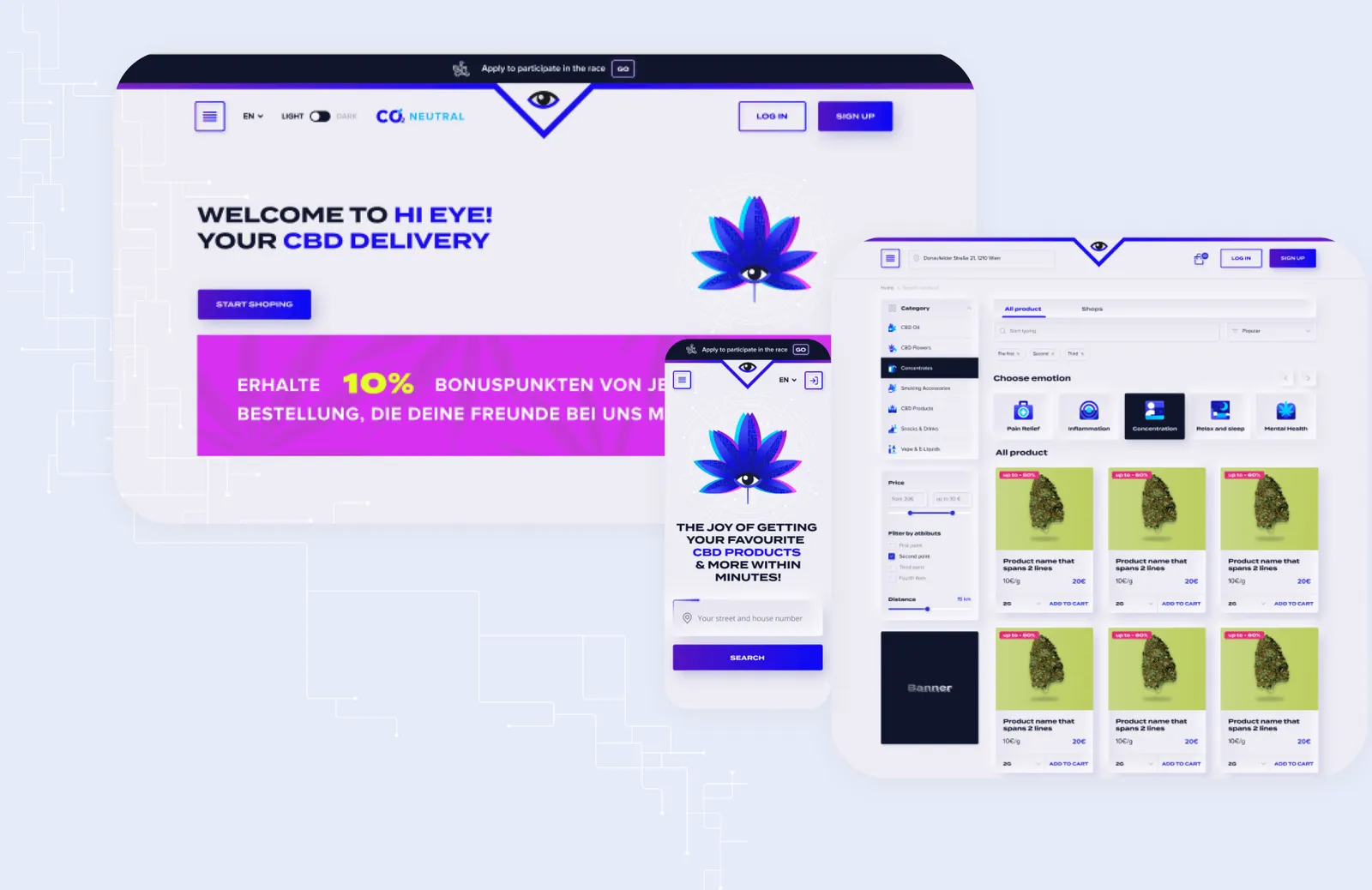
Project Hi Eye was initiated to make it easier for you to shop for CBD products in line with today's technology and trends.
View details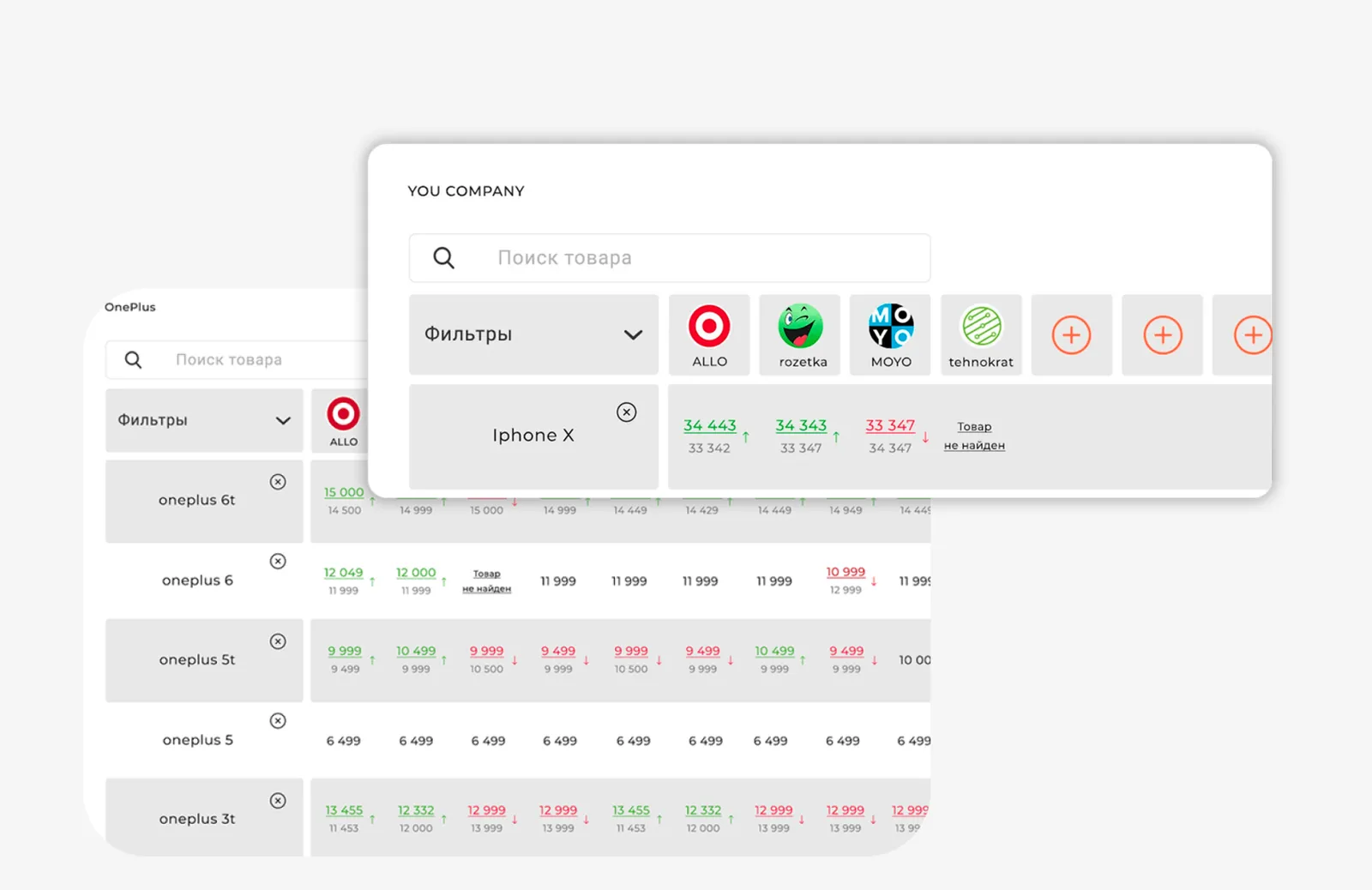
An automated price collection and product labeling system for monitoring competitor and supplier prices to maximize profits through dynamic pricing.
View details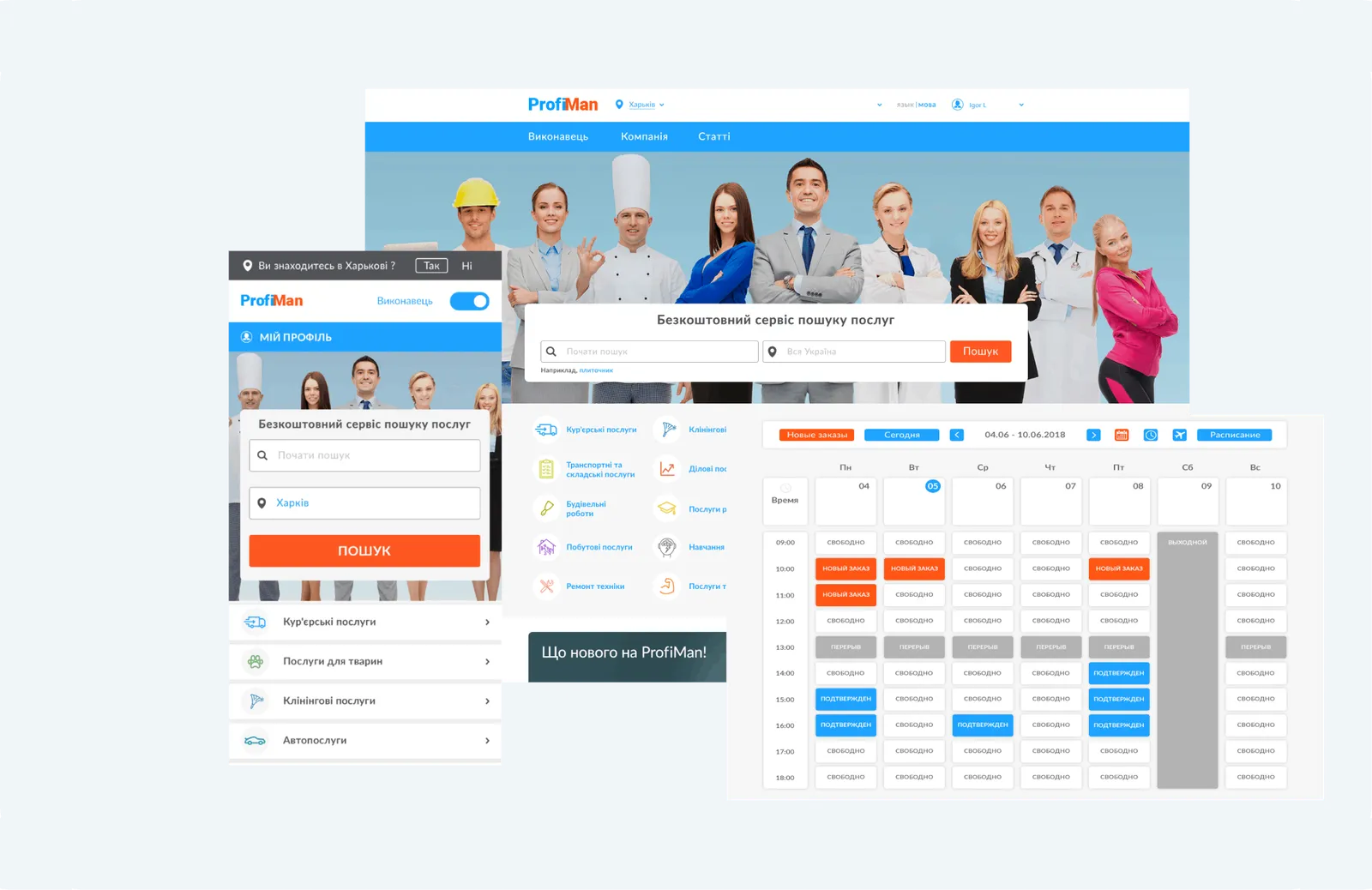
This service marketplace facilitates the seamless hiring of professionals for a wide range of tasks, from home repairs to personal errands, ensuring convenience and quality for users.
View details
The company specializes in integrating payment gateways, ensuring seamless operations for e-commerce platforms, service providers, and other businesses that require efficient payment handling.
View details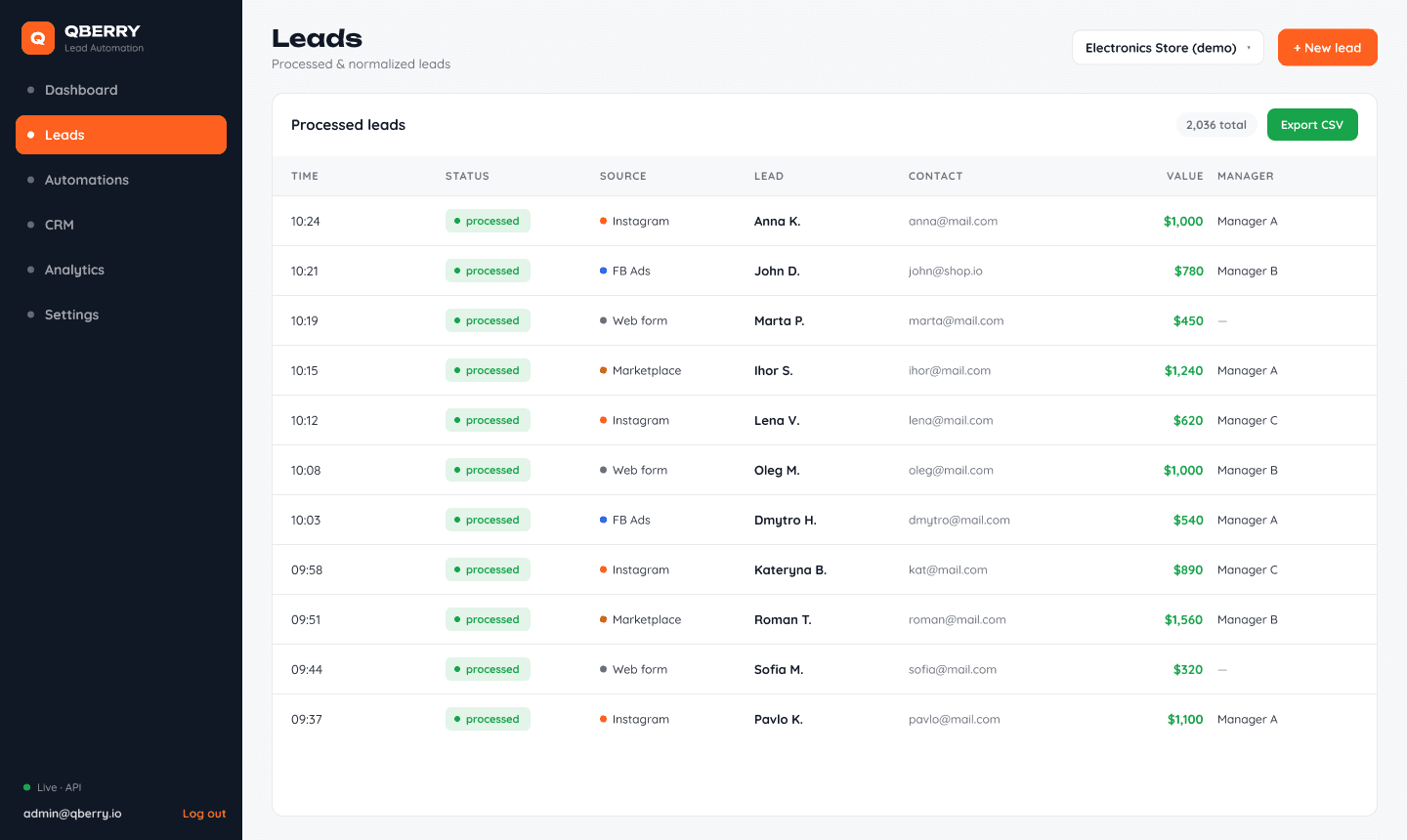
A unified system for processing leads from all channels — validation, CRM deal creation, distribution among managers, and instant client response.
View details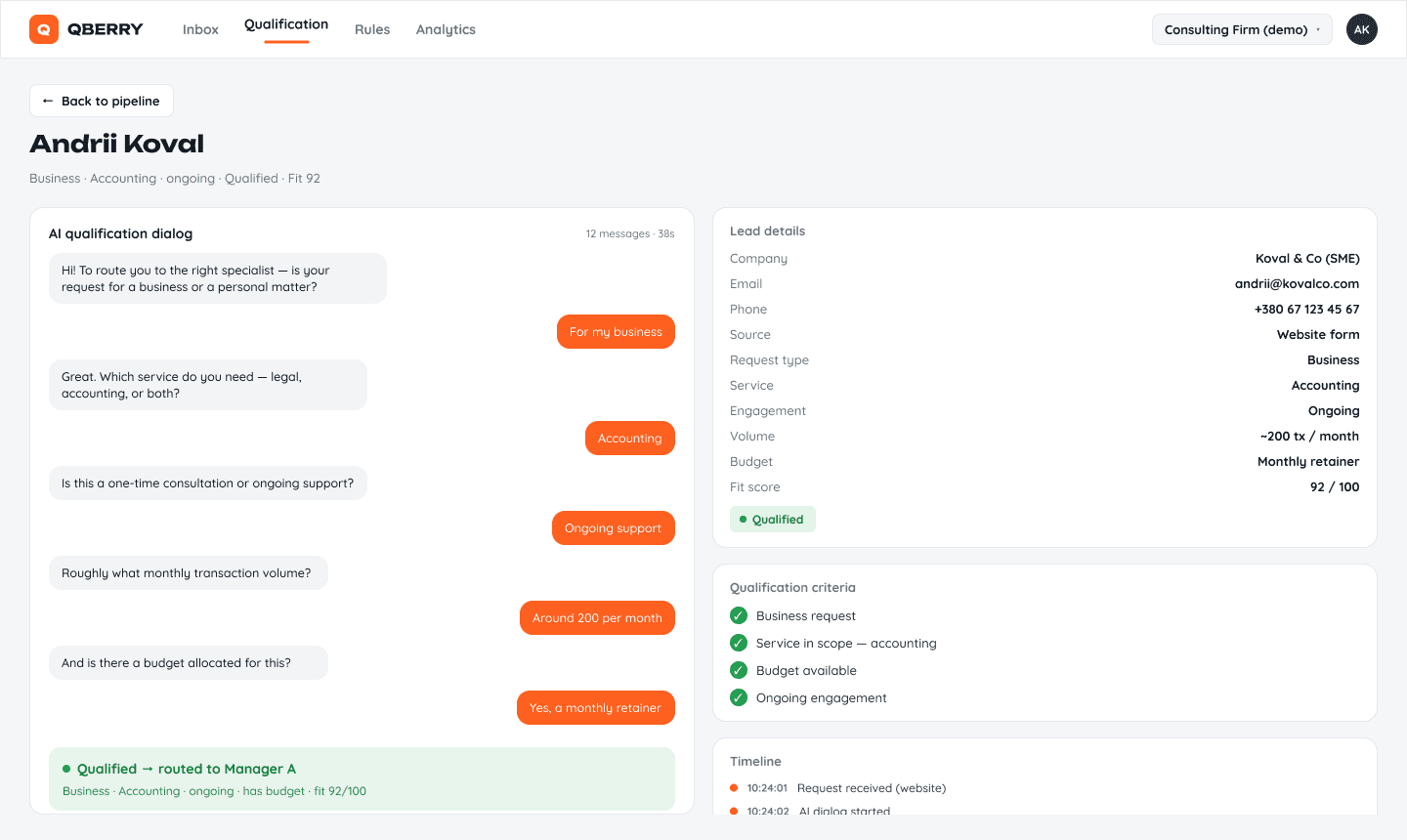
Automated initial client interaction powered by n8n and AI — filtering non-target inquiries and passing only qualified leads to managers.
View details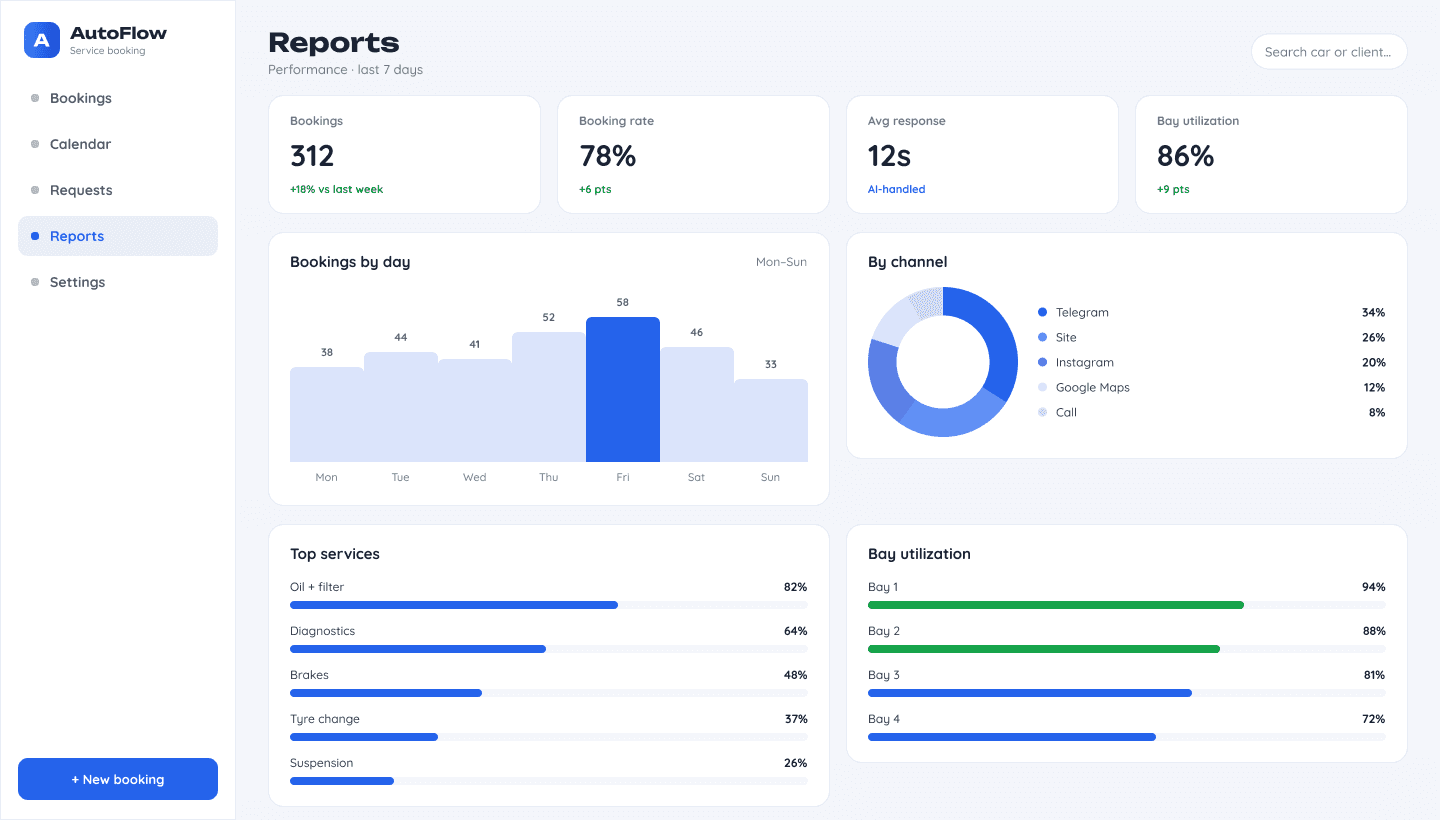
An AI assistant answers on every channel, collects the car, problem and urgency, checks the live schedule and turns each request into a ready-to-confirm booking.
View details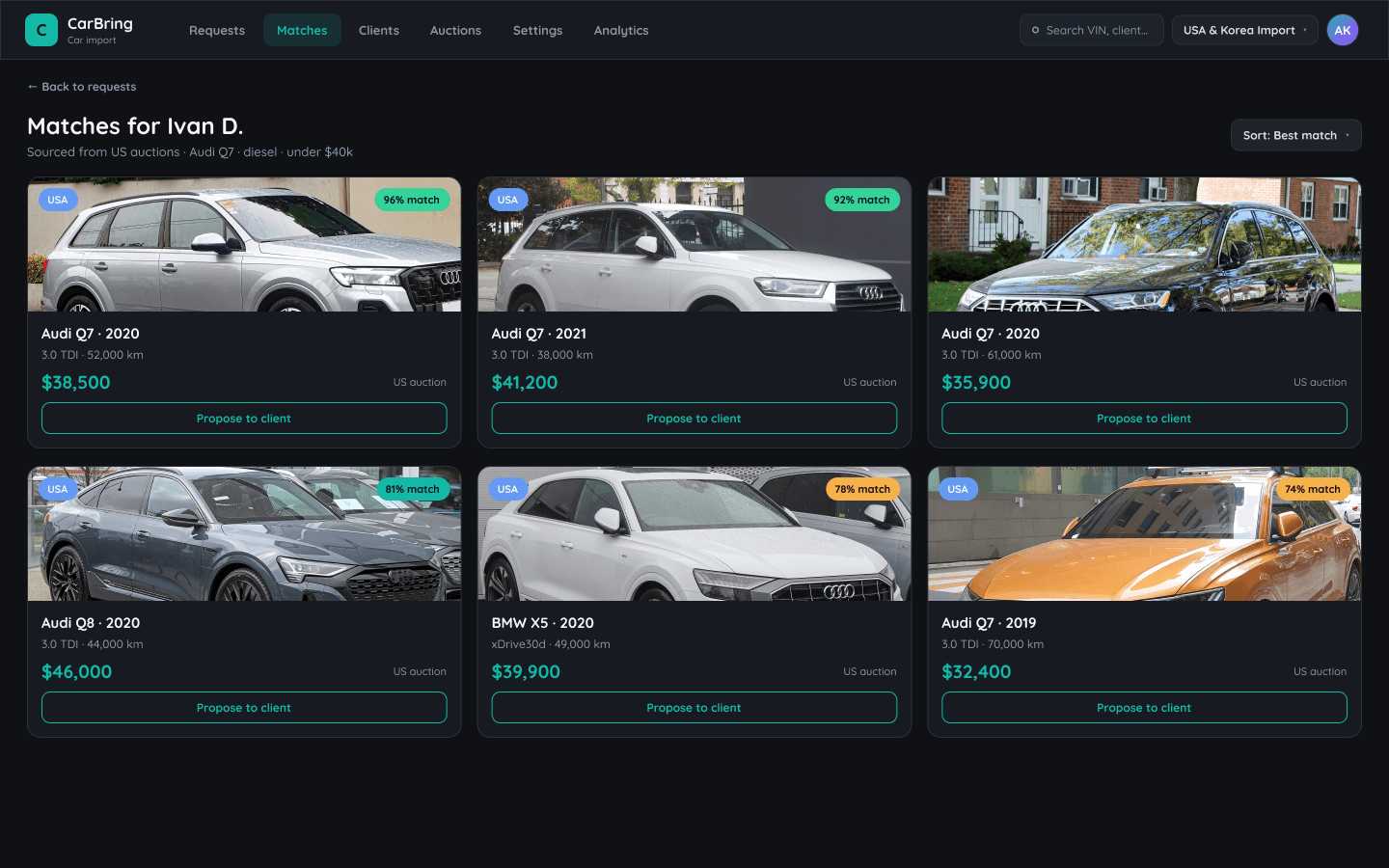
An AI assistant answers car enquiries on every channel, collects budget, make, year, engine and market, matches live US & Korean auction cars and hands the manager a qualified buyer.
View detailsBuilding the part of your software that people see and use: the interface of a web app, a portal or a site. It covers layout, interaction, performance, accessibility and the connection to the backend and its AI features.
Anyone with a user-facing product: a startup launching an MVP, a company whose web app has become slow or dated, or a team that needs extra frontend engineers for a new feature, on desktop or mobile screens.
Senior engineers who work with AI at their side, so interfaces ship faster without skipping review. We combine technical and business analysis to choose the right approach, and one team covers the frontend, the backend and the automation behind them.
A fast, clear interface that users trust, fewer support requests and a codebase your team can extend. Good frontend work also makes AI features usable, because people need to see and control what the AI does.
React and Next.js for most products, Vue when the product already runs on it, TypeScript everywhere, Tailwind for styling and Astro for content-heavy sites. We choose per product and explain the choice in the proposal.
Yes. We start with an audit of the current code, then move it to a modern framework screen by screen, so the product stays live and users barely notice the switch.
Let's talk about your project
$ qberry --how-we-work
→ scope_and_estimate/
# clear scope and estimate before we start
→ weekly_demo/
# you see working progress every week
→ one_pm_on_your_side/
# one contact who owns your project
$ launch && support ▶

no black box —you see every step